Bear Markets, Bad Timing and the Case for a Written Plan
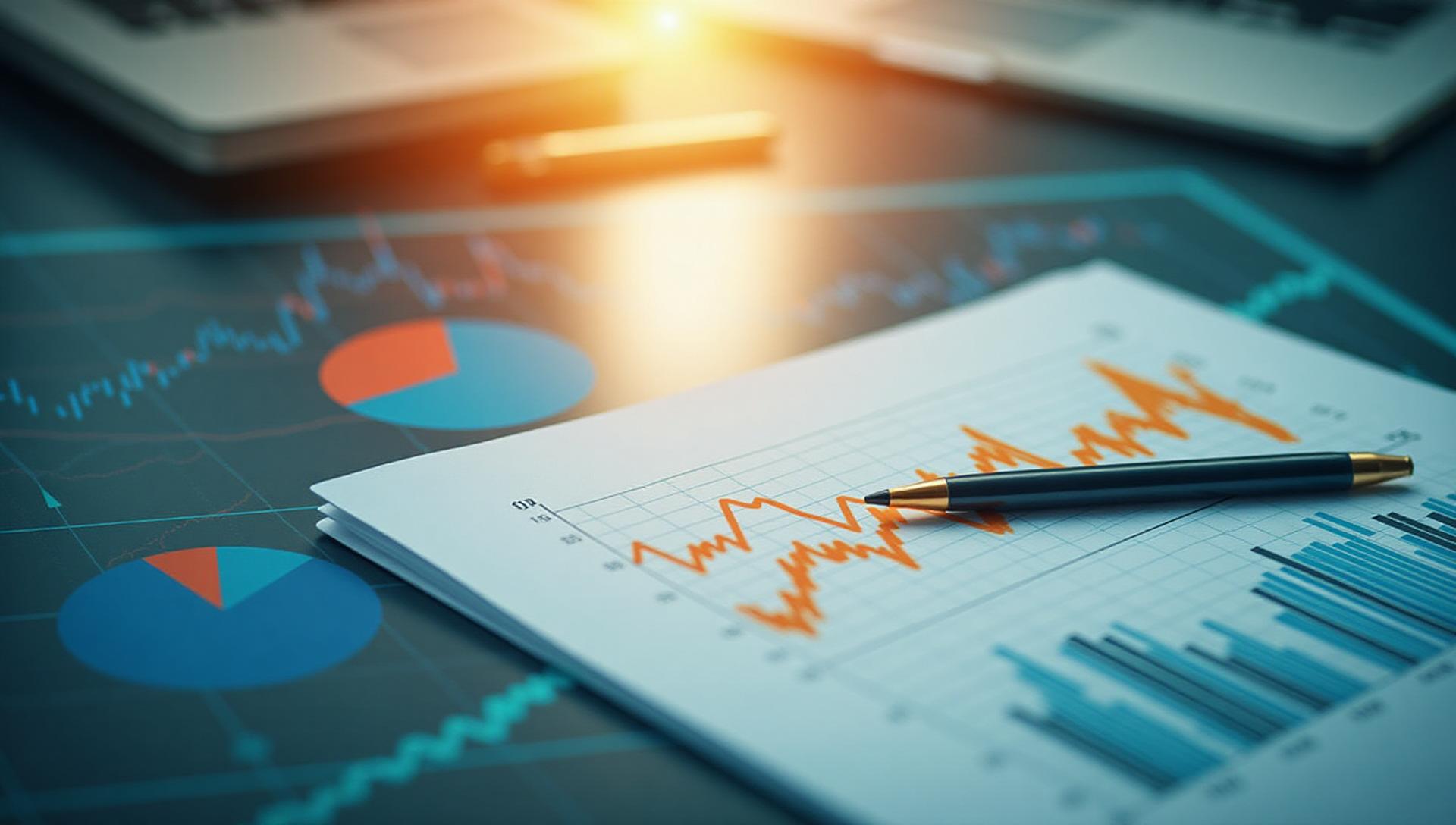
As I write this, the S&P 500 index is hovering near another bear market — defined as a 20% drop from a recent high. Poor stock markets are often accompanied by gloomy headlines and anxiety about the future. Whether it's the global financial crisis in 2008 or the COVID crash in 2020, few of us feel optimistic when the market is in the dumps.
You could argue that this time is different. When has the U.S. raised tariffs as dramatically as it has this year? The average U.S. tax on imported goods was about 2% before recent executive orders; now it's over 20%. The last time tariffs were this high, the U.S. hadn't yet ratified the 16th Amendment, which authorized the federal income tax. While the Trump administration has argued that the goal is to reduce inflation, most economists believe these tariffs will push prices higher, not lower.
Meanwhile, the Federal Reserve has retreated from its earlier stance of lowering interest rates in 2024. One of the Fed's key mandates is price stability, and it may not cut rates if inflation remains sticky. That's why you're hearing renewed talk of "stagflation" — a term that evokes the late 1970s, when inflation and interest rates were high, growth was weak, and unemployment was elevated.
While some investors are tuning this out, others are reacting. According to retirement plan provider Alight Solutions, 401(k) trading activity recently hit its highest level since March 2020. Many investors are pulling money from stock funds and target-date funds and shifting into stable value, money market, and bond funds. The motivations vary, but in my experience, the most common reason investors shift away from stocks during a downturn is fear — fear that the market will continue falling and wipe out more of their savings.
So, when do they plan to get back in? The answer I often hear is "once things settle down" or "when the economy looks more predictable." Most people understand this is a form of market timing — a notoriously difficult way to invest. How many of us felt good about the world economy in late March 2020? Yet that was the start of one of the greatest stock market rallies in recent history. The S&P 500 went on to gain more than 70% over the next 12 months.
It's unlikely we'll see a recovery like that this time, but one lesson still holds: The darkest hour in the markets is often just before the dawn. If you distrust this market, you have company. A recent survey by the American Association of Individual Investors found that 62% of its members were bearish about the next six months — its most pessimistic reading since 2009.
The point isn't that we're due for a rally. It's that human nature often leads us to do the wrong thing at the wrong time. When we see double-digit declines in our portfolios, it's natural to want to "get safe." When markets rise, we want to chase the gains. That instinct — to sell low and buy high — can be financially devastating.
If you don't already have a written investment plan, now is the time to create one. This doesn't have to be complex. It could be as simple as committing to a specific diversified portfolio and rebalancing once a year. The key is to define how you'll invest, when (if ever) you'll change your allocation, and how you'll keep yourself from reacting emotionally.
Your plan should be written down — not just something you carry in your head — because in volatile times, your emotions will try to rewrite it. I also recommend including a built-in waiting period: If you revise your plan, wait 30 days before acting. That pause can protect you from impulsive decisions that might damage your long-term financial future.
David Gardner is a certified financial planner in Boulder County and is admitted to practice before the IRS. He can be reached at entreewealth.com. As financial planning is only possible after knowing the client, the column is not intended to be personal financial or tax advice. Data presented is believed to be accurate at the time of writing.
Subscribe to My Newsletter
Financial insights from David Gardner — delivered to your inbox. No paywall, no spam. Unsubscribe anytime.